Table of Content
When a female louse lays nits, it releases a gooey substance from its body and use it to glue the nits from hair strands. If you really want to get rid of lice permanently, plan out to eliminate head lice eggs. Enemy number one to lice and nits is the comb, of the extremely fine-toothed variety —successfully treating head lice without a comb is next to impossible. Research has shown fine-tooth lice combs tend to be more effective in treating lice than pediculicides. First of all, a good quality lice comb is the easiest way to confirm a diagnosis. Olive oil will be able to smother the adult head lice and nits.

Wrap a towel around the head and leave the application to do its job for minutes. Give your hair a good rinse after you have applied the shampoo on to your hair. Since mayonnaise is greasy in nature, don’t worry if it takes a second or third wash to fully go away. Mash up 8-10 garlic cloves and add 2-3 teaspoonfuls of lime juice. While it’s not a serious infection, when left untreated, it can lead to manic itching and burning and cause a lot distress. Lice are highly contagious, and anyone can get them.
Washing the hair with home made anti-lice shampoo
For the second remedy, you can combine 1 ounce of natural shampoo with three tablespoons of coconut oil and one teaspoon tea tree oil. Combine those in a bottle and shake well before use. Apply the mixture to the scalp and leave it there for half an hour. Rinse the hair and repeat the procedure to get rid of head lice. Each time you apply this remedy, comb the hair with the nit comb.
Head lice are visible with the naked eye, but they can be difficult to see, even on close inspection. Nits can easily be confused with dandruff, hair spray droplets, or dirt particles. Here are some steps for using head-lice products safely.
What if they don’t go away?
The first step is to wash your hair with a mixture of vinegar and warm water. Vinegar contains properties that kill and get rid of nits and lice. This mixture should be applied directly to the whole scalp.

If your child has head lice, work quickly but safely to treat your child to prevent the head lice from spreading. In conclusion, there are many ways to prevent lice, but once your child has them, you may apply one of the above home remedies. Chemical lotions prescribed for head lice are very strong and can lead to allergies or other health problems.
Home Remedies for Lice
Cover the head with a shower cap or towel for half an hour. Apply the solution to the hair and be sure to cover the scalp. I care for the wellness of my family and want to leave a green earth to the coming generations. Find out how you can make use of my interests for your good by reading this blog.
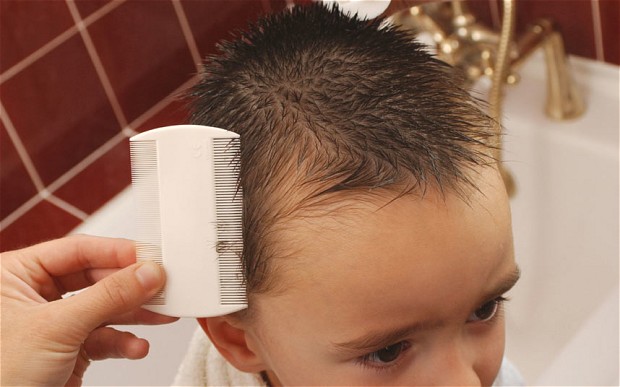
As its Latin name pediculus humanus capitis suggests, lice feed solely on the scalps of humans. Put a stop to an infestation of lice and nits without toxic chemicals. Apply this mixture to the scalp with gentle moves.
Soak all of your brushes and combs in hot water. All of your hair care products could have lice on them, so be sure to clean them well. Soak them in hot, soapy water for 5-10 minutes to kill any lice. One study found that hot-air methods were highly effective at killing nits, although they did little to kill adult lice. If you’d rather not use oil, you can mix the essential oil with rubbing alcohol instead. Place the mixture into a spray bottle, and spray the head to saturate the scalp and head.
If you use olive oil as part of an aftercare plan, it is an effective way to prevent lice. Essential oils, such as tea tree oil or lavender oil, are some of the more popular alleged home remedies many use when treating head lice. However, essential oils are expensive and there is no solid evidence they are responsible for getting rid of lice.
Head lice are also found worldwide in all different places, such as in homes or schools or the country or city. It doesn't matter how clean, dirty, rich or poor the place or person is. In the morning, use the nit comb to remove all the dead bodies from the lice colony. After that, thoroughly comb the hair, being careful to remove all the nits and lice you can see.
Nits attach to the hair with a sticky substance that holds them firmly in place. After the eggs hatch, the empty nits stay on the hair shaft. Read on for information to help you check for, treat and prevent the spread of head lice. Though head lice may be a nuisance, they don't cause serious illness or carry any diseases. Head lice can be treated at home, but it's important to check with the doctor first.
So save that deep cleaning around the house for another time. Head lice may be able to survive under water for several hours, and chlorine levels in a swimming pool do not kill them. However, they are unlikely to be spread through pool water. They tend to hold tightly to hair when submerged in water. A diagnosis can be confirmed if a live louse is found crawling on the head, but this can be difficult because lice avoid light and they can crawl quickly.
Wash them in hot water followed by blow drying and ironing. Even the hair brushes and hair combs should be disinfected in hot water (more than 130°F (54°C). If there are some items that cannot be washed, get them dry cleaned or simply pack them in a sealed plastic bag.


No comments:
Post a Comment